Epoxy Floor Coating Philadelphia: Expert Commercial and Industrial Floor Solutions by All Aspects Painting
Epoxy floor coatings have become a popular choice for businesses in Philadelphia, offering a durable and aesthetically pleasing solution for various commercial and industrial spaces. These coatings not only enhance the appearance of floors but also provide significant benefits in terms of longevity and maintenance. In this article, we will explore the advantages of epoxy floor coatings, the different types available, the application process, and essential maintenance tips. By understanding these aspects, property managers and business owners can make informed decisions about their flooring needs. We will also touch on the services provided by Best Commercial Painting Company, a leader in epoxy floor coatings in Philadelphia.
Philadelphia Epoxy Floor Coating: Durable Solutions for Businesses
Epoxy floor coatings offer numerous advantages for businesses in Philadelphia, making them an ideal choice for various commercial and industrial applications. These coatings are known for their durability, chemical resistance, and cost-effectiveness, which can significantly enhance the operational efficiency of a business.
Indeed, the inherent characteristics of epoxy resins are what make these coatings so effective and versatile.
Superior Properties of Epoxy Resins for Coatings
Epoxy resins find application because of their superior properties, which include both processing and those of the cured resin. The processing is convenient since it is possible to formulate compositions with the required rheological properties, such as low viscosity, and there is also a wide choice of hardeners so that it is possible to cure at ambient as well as elevated temperatures. Because epoxy resins can be cross-linked without the formation of low molecular weight products, volatiles are not evolved during cure, and the resins have only a relatively low shrinkage during curing. Their mechanical and electrical properties are superior to other resins and they have good heat and chemical resistance.
Coatings and other applications of epoxy resins, 1993
- Durability and Longevity: Epoxy coatings are designed to withstand heavy foot traffic and the wear and tear associated with industrial environments. This durability translates to a longer lifespan for the flooring, reducing the need for frequent replacements.
- Chemical Resistance: Many businesses deal with spills and chemicals that can damage traditional flooring. Epoxy coatings provide a protective barrier against such substances, ensuring that the floors remain intact and functional.
- Cost-Effectiveness: While the initial investment in epoxy flooring may be higher than other options, the long-term savings on maintenance and replacement costs make it a financially sound choice.
Best Commercial Painting Company specializes in providing high-quality epoxy floor coatings tailored to the specific needs of Philadelphia businesses. Their expertise ensures that clients receive the best possible solutions for their flooring requirements.
How Does Epoxy Flooring Enhance Durability and Chemical Resistance?
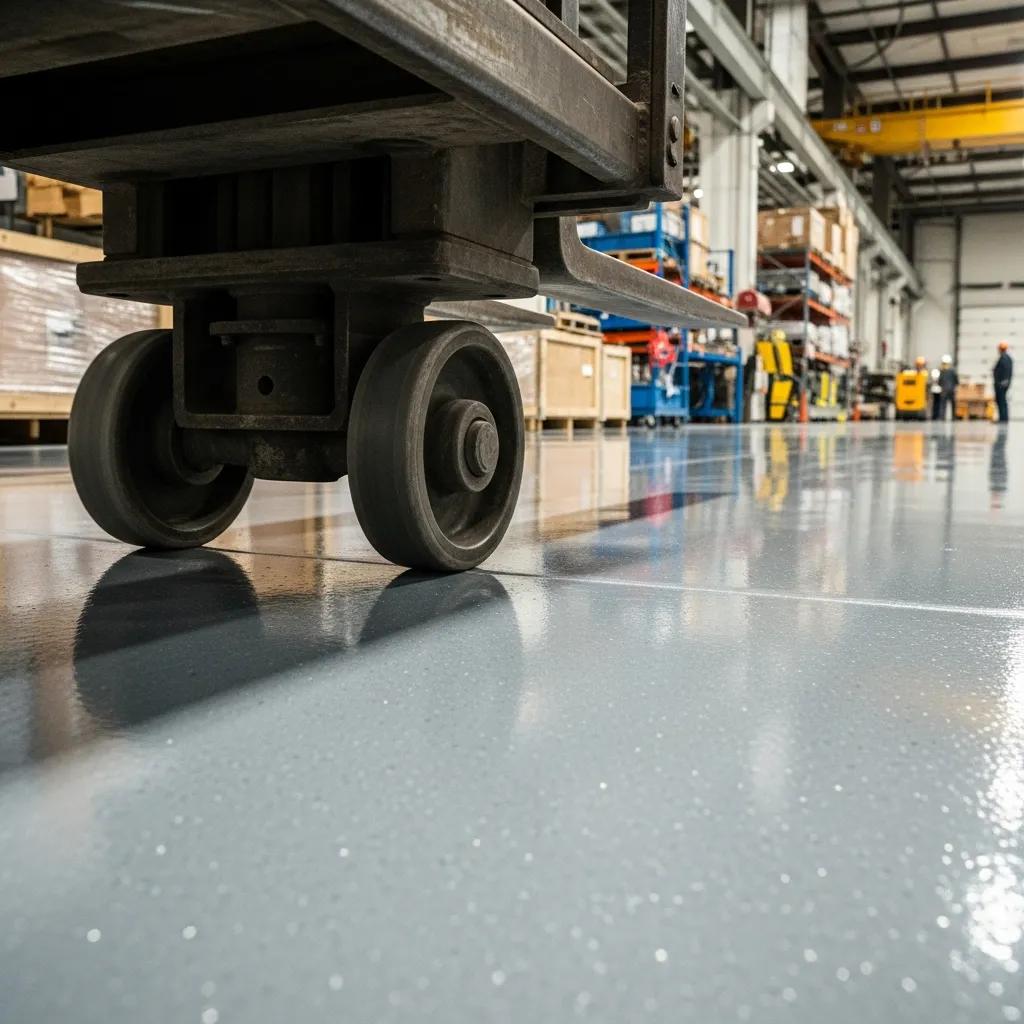
Epoxy flooring enhances durability by creating a tough, resilient surface that can withstand heavy machinery and constant foot traffic. The chemical resistance of epoxy coatings is particularly beneficial in environments where spills are common, such as warehouses and manufacturing facilities. This resistance protects the underlying concrete from damage, ensuring that the flooring remains functional and visually appealing over time.
Why Choose Epoxy Coatings for Commercial and Industrial Spaces?
Epoxy coatings are versatile and can be applied in various commercial and industrial settings. Their aesthetic options, including metallic and quartz finishes, allow businesses to create visually appealing environments that reflect their brand identity. Additionally, the ease of maintenance associated with epoxy floors makes them a practical choice for busy facilities.
Which Types of Epoxy Floor Coatings Are Best Suited for Philadelphia Properties?
There are several types of epoxy floor coatings available, each designed to meet specific needs and preferences. Understanding the differences between these options can help property managers choose the best solution for their facilities.
- Standard Epoxy Coatings: These are the most common type of epoxy flooring, providing a durable and cost-effective solution for various applications.
- Metallic Epoxy Coatings: Known for their unique aesthetic appeal, metallic epoxy coatings create a stunning visual effect that can enhance the overall look of a space.
- Quartz Epoxy Coatings: These coatings incorporate quartz aggregates, providing additional texture and slip resistance, making them ideal for areas where safety is a concern.
Scientific studies further elaborate on how the inclusion of quartz significantly enhances the performance of epoxy coatings.
Enhancing Epoxy Coatings with Quartz Fillers
Results revealed that coatings with a quartz load up to 30% exhibit a noticeable improvement of their mechanical characteristics as well as better dielectric and anticorrosive behavior than that of pure epoxy coatings. Further increase of the quartz content results in a lower degree of their behavior improvement or even in their worsening, with the exception of the coatings’ surface hardness that increases with the increase of the quartz content.
Effect of quartz filler on epoxy coatings behavior, 2003
What Are the Differences Between Standard, Metallic, and Quartz Epoxy Coatings?
When comparing standard, metallic, and quartz epoxy coatings, several factors come into play, including cost, durability, and aesthetic appeal.
| Type of Coating | Cost | Durability | Aesthetic Appeal |
|---|---|---|---|
| Standard Epoxy | Moderate | High | Basic |
| Metallic Epoxy | Higher | High | Unique, visually striking |
| Quartz Epoxy | Moderate | Very High | Textured, slip-resistant |
This comparison highlights the strengths and weaknesses of each type, allowing businesses to make informed decisions based on their specific needs.
How Do Polyurethane and Non-Slip Epoxy Coatings Compare?
Polyurethane coatings offer flexibility and UV resistance, making them suitable for outdoor applications. In contrast, non-slip epoxy coatings are designed to enhance safety in environments where spills may occur.
| Coating Type | Flexibility | UV Resistance | Safety Features |
|---|---|---|---|
| Polyurethane | High | Excellent | Moderate |
| Non-Slip Epoxy | Moderate | Low | High |
Understanding these differences can help businesses select the right coating for their specific environment and safety requirements.
How Is Epoxy Floor Coating Applied by Commercial Contractors in Philadelphia?
The application of epoxy floor coatings involves several critical steps to ensure a long-lasting and durable finish. Professional contractors follow a systematic approach to achieve optimal results.
What Surface Preparation Steps Ensure Long-Lasting Epoxy Floors?
Proper surface preparation is essential for the successful application of epoxy coatings. Key steps include:
- Cleaning and Repairing Surfaces: Ensuring that the concrete is free from dirt, oil, and other contaminants is crucial for adhesion.
- Grinding or Shot Blasting: This process creates a rough surface profile, allowing the epoxy to bond effectively with the concrete.
These preparation steps are vital for achieving a durable and long-lasting epoxy floor.
What Are the Typical Coating Layers and Curing Times?
The application of epoxy coatings typically involves multiple layers, including a primer, base coat, and topcoat.
- Number of Layers: Most applications require at least two to three layers for optimal durability.
- Curing Timeframes: Curing times can vary, but most epoxy floors are ready for light foot traffic within 24 hours and fully cured within 72 hours.
Understanding these factors helps businesses plan for downtime during the installation process.
What Should Philadelphia Property Managers Know About Epoxy Floor Maintenance and Costs?
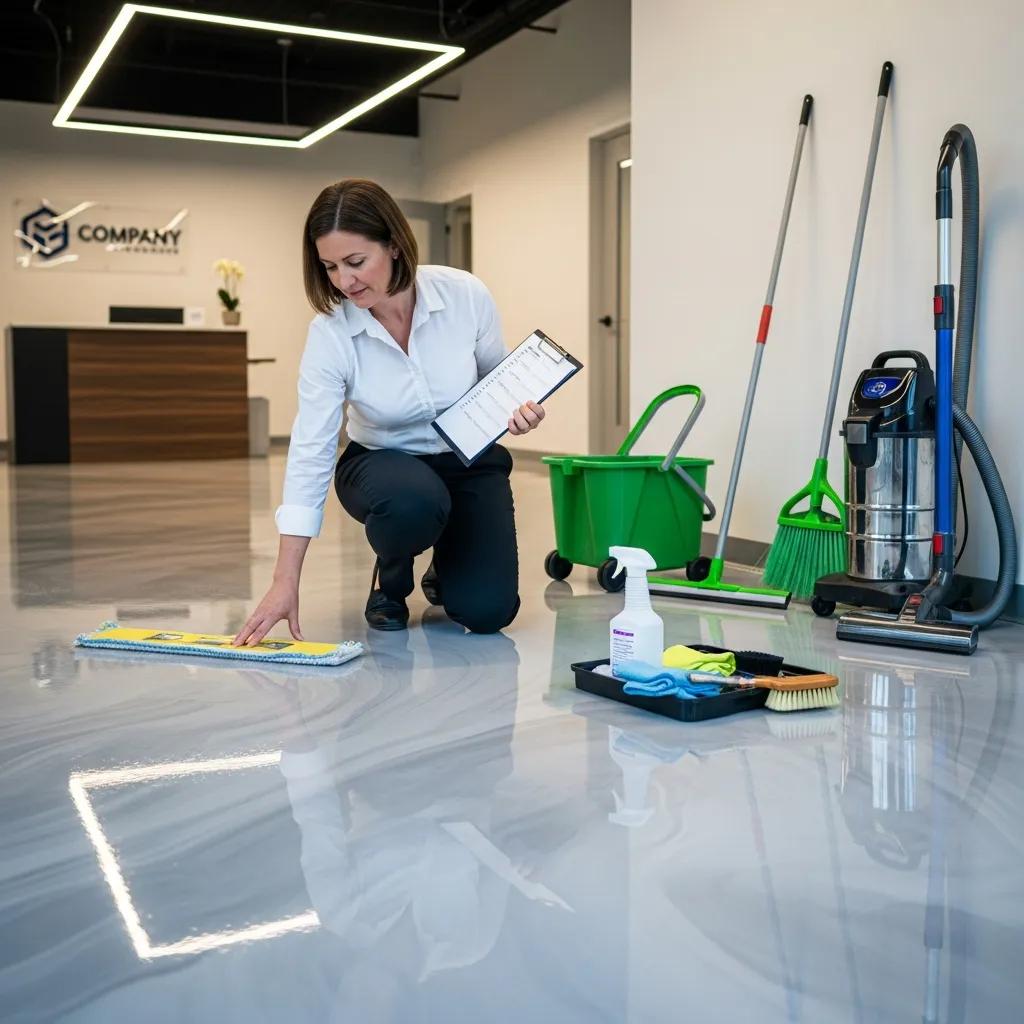
Maintaining epoxy floors is relatively straightforward, but property managers should be aware of best practices to extend the lifespan of their investment.
How Can Proper Maintenance Extend Epoxy Floor Lifespan?
Regular maintenance practices include:
- Routine Cleaning: Keeping the surface clean prevents dirt and grime buildup, which can wear down the coating.
- Periodic Inspections: Checking for signs of wear or damage allows for timely repairs, preventing more extensive issues.
Implementing these practices can significantly extend the lifespan of epoxy flooring.
What Is the Cost and ROI of Epoxy Floor Coating Services in Philadelphia?
The cost of epoxy floor coating services can vary based on several factors, including the type of coating and the size of the area being covered.
| Coating Type | Average Cost per Square Foot | Expected ROI |
|---|---|---|
| Standard Epoxy | $3.00 – $6.00 | High |
| Metallic Epoxy | $5.00 – $9.00 | Moderate |
| Quartz Epoxy | $4.00 – $7.00 | High |
Investing in epoxy flooring can yield significant returns through reduced maintenance costs and increased durability, making it a wise choice for property managers in Philadelphia.
By understanding the benefits, types, application processes, and maintenance strategies associated with epoxy floor coatings, businesses can make informed decisions that enhance their operational efficiency and aesthetic appeal. Best Commercial Painting Company is here to assist with all your epoxy flooring needs, ensuring you receive the highest quality service tailored to your specific requirements.